
Krusevo: A Macedonian town’s journey to clean air and circular economy
Published: Jun 23, 2026 Reading time: 3 minutes Share: Share an articleKrusevo, the highest town in North Macedonia, is home to Feel Krusevo a local organisation that supports local tourism and cares for the environment. Feel Krusevo’s work is a testament to the positive power of local action.
Frequented by tourists from all over the world, people are attracted to Krusevo by beautiful mountains and nature, and by sporting opportunities, such as paragliding and skiing. As Krusevo’s popularity grew, so did the need to connect all the informal groups working on tourism development, into this void came Feel Krusevo.
Who knows the town better than a mayor?
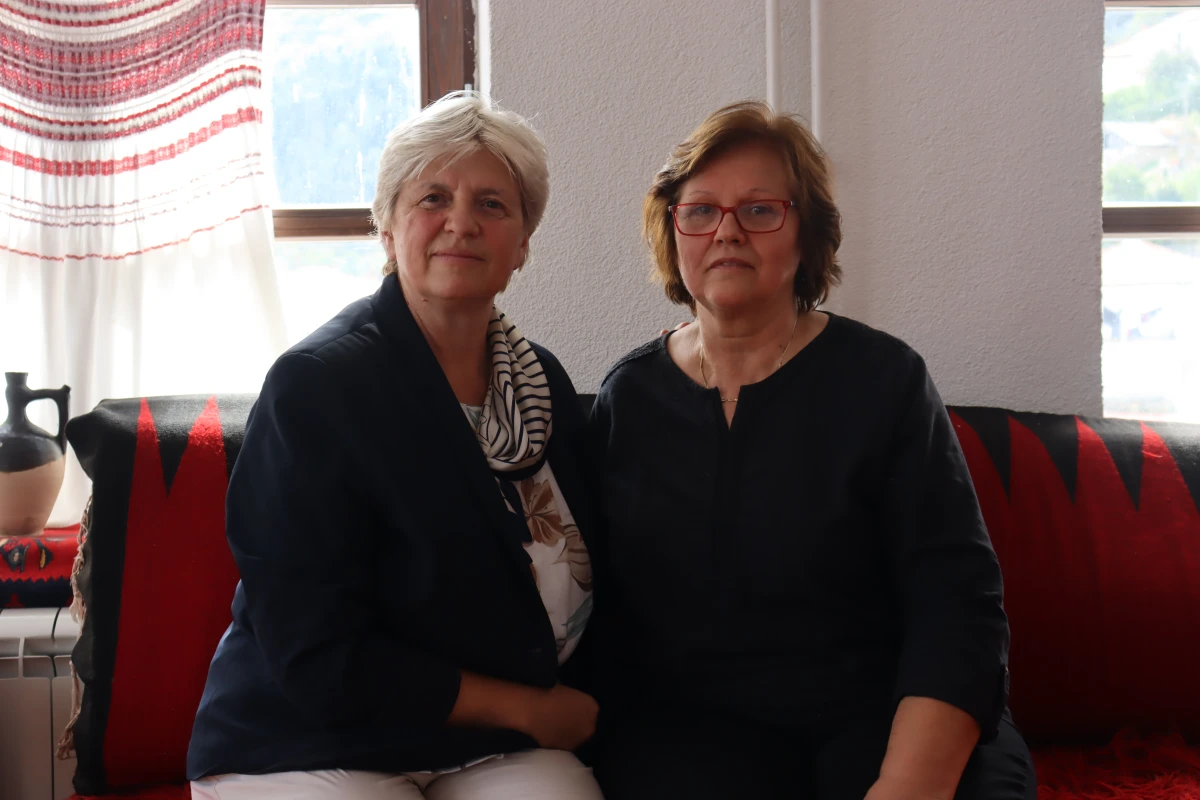
Lefkija and Meri are the heart of Feel Krusevo. Both were born in the town and Lefkija is is a former mayor in Krusevo.
The Vlach community significantly influenced Krusevo’s history and architecture. They settled in the town during the 18th century. Feel Krusevo established an exhibition about Vlachs and their culture, and also organise thematic dinners where they serve traditional food, such as placinta (a traditional sweet fasting cake from Krusevo, made with oil, flour, and water), pitulici (layered crepes), pumpkin pie, and makalo (dried pepper with leek).
Working closely with local tourist service providers, Feel Krusevo noted a significant issue which negatively affects both tourism and the quality of life for local people: a local landfill. Located at the edge of the town, the landfill pollutes the environment—especially when burning.

As they add, Krusevo is among five best destinations for paragliders and the smoke from the landfill is a danger to them.
Lefkija and Meri tell us that to fight for reducing the landfill, they had to change their own habits first. This was to set an example for others to follow.

Supporting circular economy initiatives
Together with our local partners and thanks to the European Union we work with schools, youth centres and local non-profit organisations to promote circular economy practices in the country.

To support the development of the circular economy, we are focussed on reducing the amount of waste, using waste as a resource, and promoting recycling, upcycling, and further reuse of waste within the economy. One part of our effort includes working closely with local grassroot organisations, such as Feel Krusevo.
The project "Civil Society and Youth for Inclusive and Sustainable Development through Circular Economy in North Macedonia" is funded by the European Union. The project leader is People in Need (PIN), with members of consortium ARNO, LEAD, and Ekovita.
‘This publication was funded by the European Union. Its contents are the sole responsibility of People in Need and do not necessarily reflect the views of the European Union.’


